
Solving Problems – It’s About Solving the Right Ones, Asking the Right Questions, and Staying on the Right Path
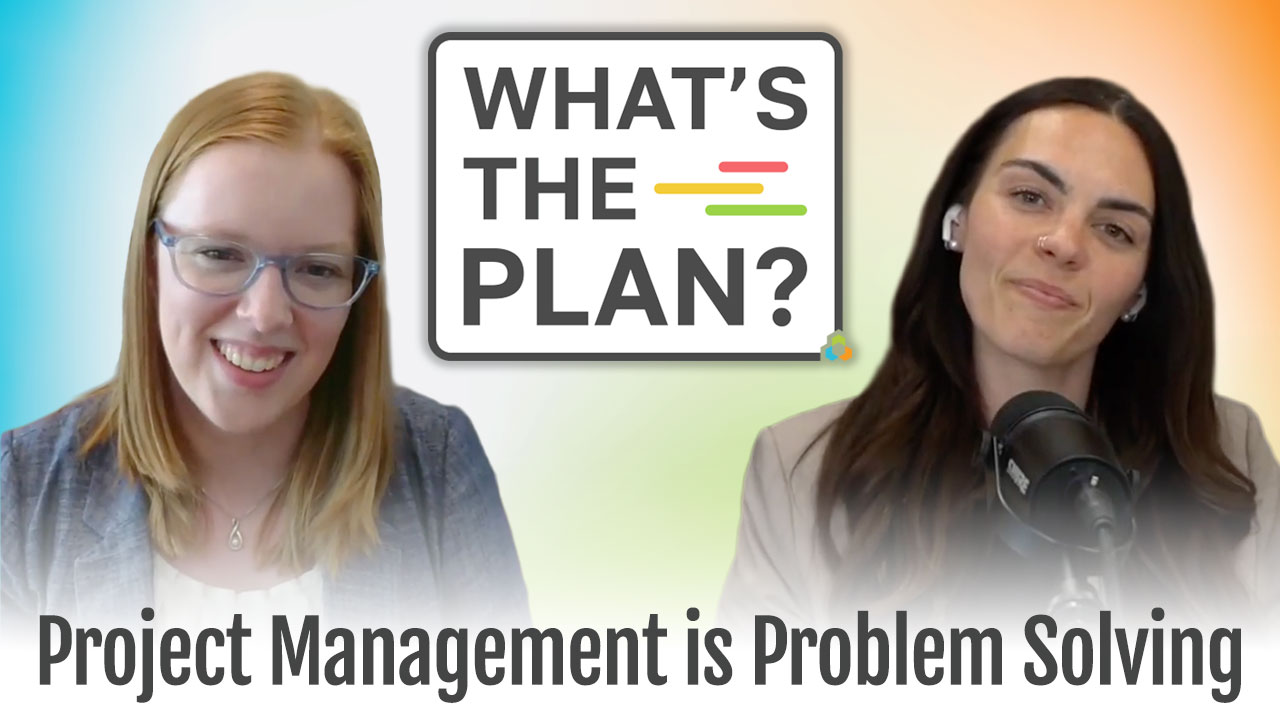
We can all relate to being overwhelmed with a to-do list and picking the quick and easy tasks to complete, if only to make our list appear shorter. We also know about getting pulled away from higher priority, longer-term projects when a looming deadline or immediate, albeit smaller task, gets in the way and derails us from focusing on the big picture. In our podcast interview with Rebecca Woods, Director of PMO for Tire Rack, we discuss how project management is essentially problem solving, but much more than that, it’s about problem finding.
In order to be a successful project manager, you need to be a good problem solver. The key to being a good problem solver is about being a good problem finder. Finding the problems means taking deep dives into all of your projects to foreshadow future constraints on resources, time and budgets. It’s more than simple allocation, but ensuring that you’re getting in front of people early and often to get feedback and answers that guide future decisions.
Solving the right problems involves project managers finding a delicate balance between constrained resources and time and asking the right questions that help you understand your issues deeply enough to see if the constraints are truly workable. What was presented as an inflexible budget or a hard deadline might in fact be flexible if a project manager can better understand what the end goals are for the project and what it will take for completion. This can involve asking uncomfortable questions to clarify details, or basic questions to make sure everyone understands the details the same way and is on the same page toward the end goal.
Rebecca describes staying on the right path as having a “North Star” in your project management, helping guide you forward on the path your team is heading down, and making sure you’re looking a few steps ahead to stay on track and know what needs to be achieved.
The Human Side of Leadership, Collaboration and Organizational Change
The bulk of a project manager’s role involves communication and collaboration with leaders and resources and across functions, departments and roles. Project managers are often having uncomfortable conversations, but key to these interactions are the angle a PM utilizes for these approaches. Just like in school when we were instructed to “show our work” in solving math problems, PMs have more success when they present leaders with not just their recommended best options, but are able to show examples or analysis of other options and why they will not work as well, or why a PM is recommending a particular path. When dealing with resources, phrasing can matter when a PM is trying to understand what went wrong. Rebecca suggests replacing questions of, “Why did you do this?” as it creates defensiveness. PMs can lead with, “Can you please explain how you did this?” to encourage more open-ended explanations.
When it comes to making tradeoffs between traditional keep-the-lights-on work, new strategic projects, driving efficiency and finding problems to solve, a project manager has to know their decision makers, what is important to them, and how best to present facts and predictions in a way that resonates with their audience.
To hear more from Rebecca about practical insights project managers can implement to help solve problems, listen to our interview in the latest episode of What’s the Plan? podcast.
Check out the full episode here: https://www.prosymmetry.com/podcasts/e5-project-management-is-problem-solving-navigating-complexity-with-rebecca-woods
For more insightful conversations about real-world conversations about all things project management, resource forecasting, capacity planning and more, subscribe to What’s the Plan? Episodes are available on:
