

88% of organizations we work with are still relying on Excel to manage their resources when they start to implement Tempus Resource. Projects fall behind, teams get burned out, and strategic initiatives stall. Without a clear system to connect your people, skills, and projects, even your best plans can fail to deliver.
At ProSymmetry, we see this challenge across industries and across levels of resource management maturity. Organizations don’t struggle because they lack ambition or tools. They struggle because maturity hasn’t kept pace with strategic expectations. Understanding where you are today is the first step to turning plans into outcomes.

The Cost of Poor Resource Management
When resources aren’t aligned with strategy, the impact is immediate and measurable.

Missed deadlines and budget overruns
Projects slip as teams compete for the same limited skills and capacity.

Burnout caused by unbalanced workloads
High performers are overextended while other capacity remains hidden or unused.

Strategic initiatives that never leave the plan
Priorities shift, but resources don’t — leaving critical work stalled or abandoned.
These outcomes are not isolated issues. They are common indicators of low resource management maturity.

What Our Resource Management Maturity Research Reveals
Our research and discovery work with new ProSymmetry customers reveals consistent patterns that appear early in the resource management maturity journey.
Key Findings from New ProSymmetry Customers

88% were using Excel for resource management

32% had no formal resource management process in place

37% were seeking guidance on best practices to achieve portfolio success

15% asked for ProSymmetry counsel in addition to implementing a new platform
These findings reflect organizations actively trying to improve execution, but lacking the structure, visibility, and maturity required to scale.

Understanding the Resource Management Maturity Model
The Resource Management Maturity Model describes how effectively an organization plans, allocates, and adapts its people and skills to meet project and strategic demands.
From Spreadsheet Chaos to Strategic Advantage
In early stages of resource management maturity, organizations focus on efficiency; tracking availability, reacting to demand, and filling project needs. As maturity increases, organizations begin to:
- Plan capacity proactively
- Align skills to strategic priorities
- Treat people as a competitive advantage rather than a constraint
At higher maturity levels, the right people are in the right roles at the right time, enabling innovation, transformation, and long-term growth.
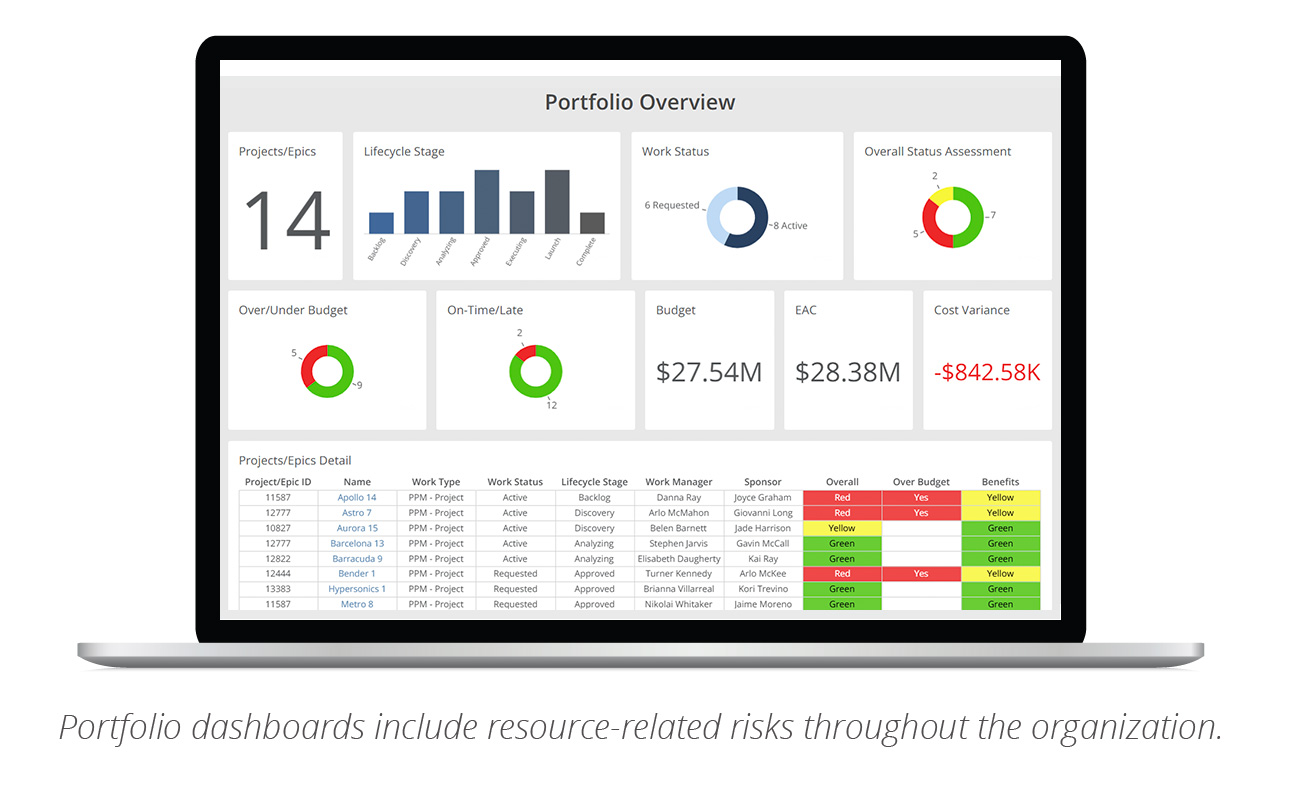

What Resource Management Maturity Means for Successful Implementations
Organizations don’t fail at resource management because they choose the wrong tool. They struggle when advanced capabilities are implemented without aligning to their current level of resource management maturity.
Successful implementations account for:
- Existing processes (or lack thereof)
- Clear decision ownership and governance
- Data readiness and organizational change
A maturity-based approach ensures organizations adopt the right capabilities at the right time, creating momentum, confidence, and sustainable value rather than frustration or shelfware.

Where Does Your Organization Stand?
Understanding your current level of resource management maturity is the foundation for meaningful progress.
Assess Your Resource Management Maturity
From spreadsheet-driven planning to enterprise-wide portfolio visibility, understanding your maturity helps organizations:
- Free capacity for high-value initiatives
- Reduce project delays and budget overruns
- Align strategy to execution across teams
Take the assessment to discover your level and receive a personalized roadmap forward.
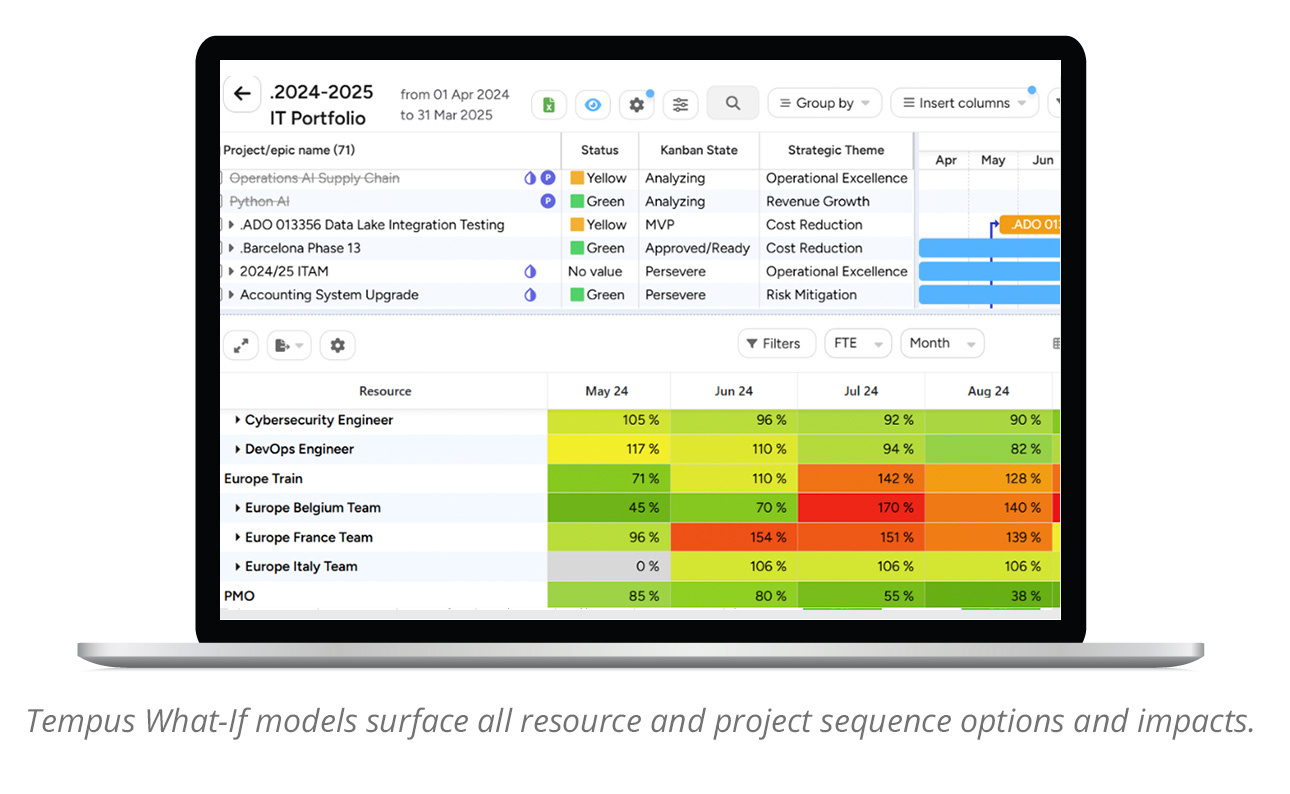

How Resource Management Maturity Improves Portfolio Outcomes
As organizations progress along the resource management maturity model, they gain clearer insight into resource-related risks and opportunities across the portfolio.

Freeing capacity for high-value initiatives
Improved visibility enables leaders to redirect resources toward the work that matters most.

Reducing delivery risk across portfolios
Scenario modeling and what-if analysis surface constraints before they become delivery failures.

Aligning strategy, funding, and people
Decisions are grounded in data, enabling confident prioritization and execution.

Additional Resources to Support Your Resource Management Maturity Journey

Guide to Developing Skills as a Resource Manager – Build the expertise your team needs to succeed.

Guide to Strategic Portfolio Management and Resource Management – Learn to balance resources with strategy.
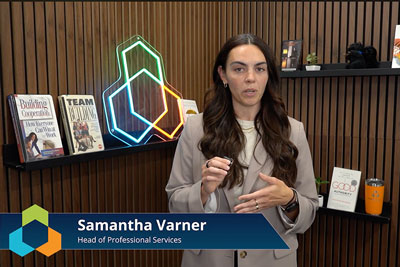
YouTube Tutorials – Practical tips on modeling, scenario planning, and transitioning from spreadsheets to a platform.

Buyer’s Guide to Resource Management – Understand why a resource management platform is essential and avoid common pitfalls.

Why ProSymmetry?
ProSymmetry helps large enterprises—including Fortune 500 and Global 2000 companies—turn resource planning into actionable, strategic advantage. Our platforms, Tempus Resource and Tempus Portfolio, provide:
- Capacity planning and forecasting
- Scenario modeling and analysis
- Data-driven insights to align people, projects, and strategy
Recognized in the Gartner® Magic Quadrant™ for Adaptive Project Management and Reporting (3 years running) and the Gartner® Hype Cycle for Strategic Portfolio Management (9 years running), we bring the expertise and proven results to help organizations succeed.

Resource Management Maturity: Frequently Asked Questions
What is resource management maturity?
Resource management maturity describes how effectively an organization plans, allocates, and adapts its people and skills to meet project and strategic demands.
Why do resource management implementations fail?
Most failures occur when organizations implement tools without aligning processes, governance, and decision-making to their current maturity level.
How does maturity impact portfolio performance?
Higher maturity enables proactive capacity planning, better prioritization, and clearer visibility into risks directly improving delivery confidence and outcomes.
Next Step: Take the assessment today and see where your organization stands on the Resource Management Maturity Model. Start turning resource challenges into strategic wins before your next project slips through the cracks.